Gardening Camberwell: Recycling and Sustainability
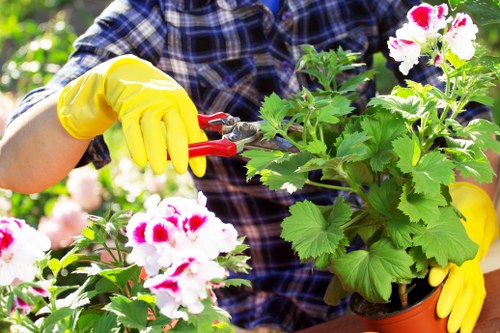 At Gardening Camberwell we treat the site as more than a green space — it is an eco-friendly waste disposal area and a living demonstration of how a sustainable rubbish gardening area can function in an urban neighbourhood. Our approach combines practical on-site sorting, partnerships across the boroughs, and vehicle choices that cut carbon. This page outlines our goals, local logistics, and the everyday actions that make our Camberwell gardens part of the circular economy.
We set a clear recycling percentage target to measure progress: 70% reuse and recycling of all garden and site materials by 2028. That target covers green waste, wood, soil, pots, and non-hazardous construction and planting materials. The aim is ambitious but achievable through better separation at point of disposal, reuse channels, and targeted partnerships with local organisations that turn waste into resources.
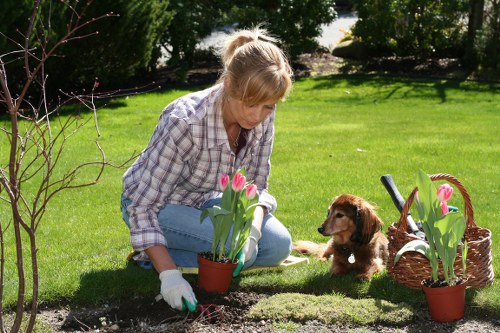 To support the target we coordinate with local transfer stations and municipal facilities. Our routine collections and drop-offs make use of Household Waste Recycling Centres (HWRCs) and transfer facilities in Southwark, Lambeth and neighbouring boroughs, and we prioritise Materials Recovery Facilities (MRFs) that accept sorted garden waste, compostable organics and dry recyclables. We also plan collection schedules to align with boroughs' approach to waste separation — typically distinguishing food waste, garden waste, and dry recycling streams — so contamination is minimised and diversion rates improve.
On-site we maintain a clear eco-routing system: bins and bays are labelled for green waste, wood and timber, clean plastics and pots, and general rubbish destined for waste-to-energy only when unavoidable. Staff and volunteers receive short training sessions on separation at source, and we use visible signage to encourage correct disposal. This transforms the garden from a simple compost heap into a well-managed sustainable rubbish gardening area where materials flow to the right outlet.
Our practical recycling activities include:
- Composting of plant cuttings, leaves and food scraps for on-site use and community allotments
- Segregation of timber for chipping and reuse as mulch or habitat logs
- Collection of plastics and pots for cleaning and donation to community tool libraries or reuse schemes
- Recycling of metal stakes and surplus hardware through borough MRFs
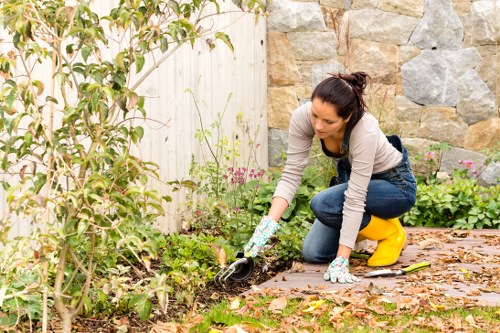 We emphasise local redistribution: surplus compost, planters and usable soil are offered to community groups, schools and local allotments rather than being treated as waste. These reuse pathways reduce the load on transfer stations and increase the amount counted toward our recycling percentage target. Working with local councils' separation standards means our materials are more likely to be eligible for recycling credits and avoid contamination penalties.
Partnerships and Community Flow
Partnerships are central to turning an eco-friendly waste disposal area into a regional asset. We work with charities and redistribution groups to find second lives for usable materials: community gardens that need soil and planters, charities that accept tools and timber, and social enterprises that remanufacture wood. These relationships reduce landfill, create social value and keep our carbon footprint low.
Examples of partnership activities include collaborative drop-off days with local charities, donation channels for clean pots and tools, and bulk transfers of chipped wood to non-profits for habitat projects. By coordinating these flows we build a resilient local network that supports both Gardening Camberwell and the wider neighbourhood.
 We also maintain a small fleet of low-carbon vans for shorter trips and community deliveries. These are predominantly electric or plug-in hybrid vehicles, selected to minimise emissions for the frequent, short-haul journeys between the garden, nearby transfer stations and charity partners. Route optimisation software and consolidated drop-offs further reduce mileage, which complements our ambition to become a low-impact hub for sustainable gardening practices.
Operational Measures and Goals
Operationally we monitor tonnages, contamination rates and reuse volumes. Our monthly checks feed into a public sustainability dashboard so the community can see progress toward the 70% recycling target. We also set interim goals: 50% diversion in year one, 60% in year two, and incremental improvements thereafter.
To ensure compliance with boroughs' approach to waste separation we provide clear drop-off protocols aligned with local collection rules (food, garden, dry recycling), and we work with transfer station operators to accept segregated loads. This alignment reduces re-sorting costs and increases the likelihood that materials are processed correctly at the MRF or composting facility.
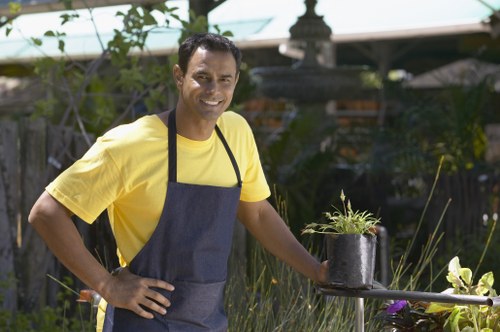 Ultimately, Gardening Camberwell is a practical model of how urban green spaces can be managed as an integrated sustainable rubbish gardening area and resource hub. By combining a measurable recycling percentage target, use of local transfer stations, strong charity partnerships, and a low-carbon transport strategy, we aim to show what local, circular gardening looks like and how communities can reduce waste while improving green infrastructure.