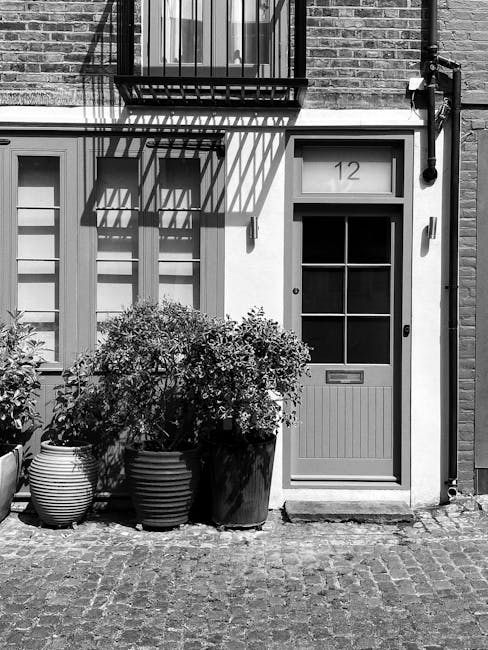
South London Gallery Camberwell gardeners bespoke planting: a practical guide to tailored garden design in a creative corner of London
If you are looking into South London Gallery Camberwell gardeners bespoke planting, chances are you want more than a neat border and a few seasonal flowers. You want planting that feels considered, works in real light and soil conditions, and suits the way you actually use the space. In Camberwell, that matters. Gardens here often need to handle shade, overlooked plots, compact courtyards, and the simple reality of busy London life.
This guide breaks down what bespoke planting really means, why it matters near South London Gallery and across Camberwell, and how to plan a scheme that looks good in spring but still makes sense in wet November weather. We will also cover common mistakes, useful methods, and a straightforward checklist you can use before you commit to any planting plan. Truth be told, good planting is rarely about buying more plants. It is about making better decisions.
Table of Contents
- Why South London Gallery Camberwell gardeners bespoke planting Matters
- How South London Gallery Camberwell gardeners bespoke planting Works
- Key Benefits and Practical Advantages
- Who This Is For and When It Makes Sense
- Step-by-Step Guidance
- Expert Tips for Better Results
- Common Mistakes to Avoid
- Tools, Resources and Recommendations
- Law, Compliance, Standards, or Best Practice
- Options, Methods, or Comparison Table
- Case Study or Real-World Example
- Practical Checklist
- Conclusion
- Frequently Asked Questions
Why South London Gallery Camberwell gardeners bespoke planting Matters
Bespoke planting matters because no two gardens in Camberwell behave quite the same way. One plot may catch full afternoon sun and dry out quickly. Another may sit in dappled shade beside brick walls and pick up reflected warmth. A front garden near busy streets might need something resilient and low maintenance, while a courtyard by South London Gallery could need planting that feels refined, seasonal, and visually calm.
That is where bespoke planting earns its keep. It is not a decorative add-on. It is the bit of garden planning that helps everything else work. You get the right mix of structure, texture, colour, scent, and upkeep level. You also avoid the classic mismatch of plants that look lovely in the nursery but sulk the minute they face your actual site. We have all seen that sad rosemary, barely hanging on in a soggy corner.
In a local context, there is another reason this approach is valuable. Camberwell gardens often need to fit around small footprints, older boundaries, and shared sightlines. A thoughtful planting scheme can make a space feel larger, calmer, and more private without throwing up a wall of evergreen nothingness. That balance between beauty and function is what people are really paying for.
If your wider outdoor space needs more than planting alone, it can help to look at the full picture through the service overview, especially where planting needs to work alongside turf, borders, hedge lines, or structural features.
How South London Gallery Camberwell gardeners bespoke planting Works
Bespoke planting usually starts with a simple but careful site review. A good gardener will look at light, drainage, wind exposure, soil texture, access, and how you use the garden day to day. They will also ask about style. Do you want relaxed and cottage-like, clean and architectural, wildlife-friendly, or something more contemporary with evergreen backbone and occasional seasonal highlights?
From there, the planting plan is built in layers. The structure layer gives the garden its shape through shrubs, small trees, or evergreen anchors. The mid-layer adds rhythm and volume with perennials, grasses, or repeat flowering plants. The ground layer fills gaps, softens edges, and helps suppress weeds. If the space is tiny, these layers may be compressed, but the principle stays the same. A good planting scheme feels balanced even when it is simple.
The practical side matters just as much. Planting has to account for maintenance levels. Some people want a garden they can enjoy with only light seasonal upkeep. Others are happy to prune, deadhead, divide, and refresh planting through the year. Be honest about that. There is no point creating a high-maintenance border if you only want to water the odd pot and enjoy the view with your tea on a Saturday morning.
In many cases, bespoke planting is also tied to other services. A clear site after garden clearance gives you a clean slate. Pairing planting with landscape gardening can help define paths, beds, and levels before the plants go in. If there are hedges, trees, or boundary growth to manage, those decisions should happen early so your new planting is not crowded or shaded out later.
Key Benefits and Practical Advantages
The strongest benefit of bespoke planting is fit. It suits your garden, not a generic template. That sounds obvious, but it is the difference between a space that improves over time and one that always feels slightly off.
Here are the practical advantages people tend to notice most:
- Better plant survival because species are chosen for the actual conditions in your garden.
- Cleaner design because the planting supports the layout instead of fighting it.
- Lower maintenance stress when the scheme is designed around your time and energy.
- Stronger seasonal interest through a mix of flowering times, foliage shapes, and winter structure.
- More privacy and comfort without overbuilding the space.
- Better value over time because the planting is less likely to need repeated replacement.
There is also a quieter benefit that is easy to miss. Bespoke planting can change how a garden feels at different hours of the day. In the early morning, soft grasses and pale blooms catch the light. In the evening, darker foliage and evergreen structure stop the space from fading into a blank patch. That sort of detail is not flashy, but it is what makes a garden feel lived in.
If you are comparing options, it may help to think of planting as part of a broader maintenance rhythm too. For some gardens, regular garden maintenance is what keeps the planting design looking intentional rather than unruly. For others, especially where lawn space is still important, lawn mowing remains part of the visual framework around the beds.
Who This Is For and When It Makes Sense
Bespoke planting is a strong choice if you recognise your garden in any of these situations:
- Your current planting is patchy, tired, or badly suited to shade or sun.
- You have a newly cleared or redesigned space and want a plan that feels coherent.
- You want something attractive but not high-drama in terms of upkeep.
- You have a small Camberwell garden and need every metre to work properly.
- You want the garden to feel more private from neighbours or passers-by.
- You are trying to support pollinators and seasonal interest without making the garden messy.
It also makes sense if you are the sort of person who knows what you like when you see it, but not necessarily the plant names. That is perfectly normal, by the way. Most people do not need to become plant encyclopaedias. You just need a clear brief and someone who can translate it into a practical scheme.
For households managing an older garden, bespoke planting can be especially useful after major tidy-up work, stump and tree issues, or the removal of overgrown boundaries. In those cases, planting is not just cosmetic. It helps the space settle into a new, usable shape. If any canopy or overhanging growth is part of the problem, tree lopping and removal may need to be considered before new planting is finalised.
Step-by-Step Guidance
Here is a sensible way to approach bespoke planting without getting lost in choice overload.
- Define the goal. Ask what the planting should do. Screen views? Add colour? Create atmosphere? Reduce maintenance?
- Assess the conditions. Note sun, shade, wind, drainage, soil quality, and how water behaves after rain.
- Measure the space properly. A good planting plan starts with honest dimensions, not rough guesswork.
- Decide the maintenance level. Low, medium, or hands-on. Be realistic. Summer enthusiasm is lovely, but January is the truth test.
- Build structure first. Choose the shrubs, evergreen anchors, or small feature plants that will hold the design together.
- Layer in supporting plants. Add perennials, bulbs, grasses, or seasonal highlights for movement and colour.
- Plan for year-round interest. Make sure the garden has something going on in winter as well as in June.
- Check spacing. Allow for mature size. A bed that looks neat on day one can become cramped surprisingly quickly.
- Prepare the soil. Good planting starts below the surface, with structure, organic matter, and drainage improvements where needed.
- Set a maintenance rhythm. Watering, mulching, pruning, and deadheading should be agreed before planting begins.
A useful little rule: if a plant only works when it is tiny, it is probably not the right plant. The whole point is to enjoy the garden as it grows into itself, not to constantly rescue it from itself.
When the scheme is tied to a quote or project plan, it is sensible to check pricing and quotes early so the scope is clear. That avoids awkward surprises later, and nobody enjoys those.
Expert Tips for Better Results
In our experience, the best bespoke planting schemes are the ones that quietly respect the site. They do not fight it. They work with the light, soil, and everyday movement through the garden. That sounds almost too simple, but it is where a lot of projects go wrong.
Here are a few practical tips that make a big difference:
- Use repetition. Repeating a few plants creates calm and makes a small space feel larger.
- Mix textures, not just colours. Leaves, stems, and shapes matter as much as flowers.
- Think in all seasons. A border should not collapse visually after August.
- Leave breathing room. Crowding a bed makes it look messy faster than most people expect.
- Choose at least one evergreen anchor. It keeps the design grounded when everything else fades.
- Plan for watering access. If a hose cannot realistically reach a bed, maintenance becomes harder than it needs to be.
It also helps to combine planting with other site improvements when needed. A garden with heavy foot traffic might benefit from better surfaces or edging, and sometimes landscaping is the missing piece that makes the planting look polished rather than slightly adrift. In more structured outdoor spaces, elements like decking services can provide the hard edges that allow softer planting to shine.
One more thing: do not choose every plant because it is in bloom in the nursery today. That is a very human mistake. Nice smell, pretty flowers, instant optimism. Then the leaves go floppy and you are left wondering why the border looks tired by midsummer. Better to select for habit, not just the moment.
Common Mistakes to Avoid
Most planting problems are not dramatic. They are accumulative. A few small mistakes, repeated, and the whole garden starts working against itself.
- Ignoring shade and aspect. A sun-loving plant in deep shade will not suddenly become adaptable.
- Overloading on variety. Too many different plants can make a small garden feel cluttered.
- Forgetting mature size. Plants grow. Fast, sometimes.
- Skipping soil preparation. Good-looking planting often fails when the root zone is poor.
- Choosing style before function. If the garden is hard to access, high maintenance planting may become a burden.
- Not planning for winter. A garden that only works in one season is incomplete.
- Underestimating maintenance. Even a low-maintenance scheme needs some care.
There is also a softer mistake: trying to make the garden look finished on day one. A good planting scheme should settle, thicken, and mature. It needs a little patience. Not endless patience, just enough to let the structure show what it can do.
If maintenance is already slipping because the garden is overgrown or uneven, dealing with hedges first can make a huge difference. A tidy boundary often changes the whole feel of the garden, which is why hedge trimming is often part of the same conversation as bespoke planting.
Tools, Resources and Recommendations
You do not need a shed full of specialist kit to manage bespoke planting well, but a few basics help a lot.
- Measuring tape for bed dimensions and spacing.
- Notebook or simple plan sketch to track sun, shade, and ideas.
- Spade, hand fork, and secateurs for planting and light maintenance.
- Mulch or compost for soil improvement and moisture retention.
- Watering can or hose access for establishment periods.
- Plant labels or notes if the scheme is detailed and you want to remember what is where.
For a useful wider perspective, it can help to read through the company's about us page to understand the kind of service approach behind the planting work, and the recycling and sustainability page if you want to know how green waste and materials are handled. Those details matter more than people think. A planting project is not just about what goes in; it is also about how the rest is managed.
It is also sensible to review insurance and safety and the health and safety policy before major work begins, especially where tools, ladders, boundary work, or heavier clearing is involved. That is just good practice, really.
Law, Compliance, Standards, or Best Practice
For most planting jobs, the important point is not legal complexity but responsible practice. Gardeners working in Camberwell should follow sensible site safety routines, use appropriate tools, and respect neighbours, shared access, and boundary lines. If plant removal, tree work, or waste handling is part of the job, those tasks should be managed carefully and in line with accepted UK industry practice.
Good practice usually includes the following:
- Checking boundaries and access before any work starts.
- Handling waste responsibly and separating recyclable material where practical.
- Avoiding damage to existing structures, paving, fencing, and roots that are meant to remain.
- Using appropriate safeguards for heavier or elevated work.
- Being clear about what is included in the scope and what is not.
If you are arranging a larger project, terms, payment arrangements, and expectations should be straightforward. The pages on payment and security and terms and conditions are worth reviewing so everyone starts from the same page. That sort of clarity saves time later. A lot of time, actually.
For people who want a service experience that is accessible and transparent, it can also be useful to check the accessibility statement and the complaints procedure. You hope never to need the latter, of course, but it is reassuring to know it exists.
Options, Methods, or Comparison Table
When planning bespoke planting, you usually end up comparing three common approaches. Each has a place, depending on budget, maintenance appetite, and the size of the garden.
| Approach | Best for | Strengths | Trade-offs |
|---|---|---|---|
| Soft naturalistic planting | Relaxed gardens, wildlife-friendly spaces, mixed borders | Seasonal movement, informal beauty, good biodiversity value | Can look untidy if not spaced and maintained well |
| Structured planting | Smaller gardens, formal layouts, clean modern spaces | Clear shape, strong year-round structure, easy to read visually | Can feel rigid if too few plant forms are used |
| Low-maintenance planting | Busy households, rental homes, practical courtyards | Less watering and trimming, simpler upkeep, durable choices | May offer fewer dramatic seasonal changes |
There is no perfect answer here. The best choice depends on how you live with the space. A gallery-adjacent courtyard may lean toward more structured, elegant planting. A family garden may need something forgiving and durable. A corner plot may suit a hybrid of both. That hybrid approach is common, and honestly, often the smartest.
Case Study or Real-World Example
Consider a typical Camberwell garden near a busy street: narrow footprint, patchy lawn, a shaded side return, and one sunny section near the back. The owners want something attractive from the kitchen window, but they also want to stop the garden from turning into a weekly chore.
The starting point is usually a clean-out. Old containers, weak growth, and self-seeded clutter come out first. That often sits alongside garden clearance. The layout is then simplified. The sunny end gets a stronger planting palette with flowering perennials and structural shrubs. The shaded section gets more resilient foliage plants, so the area still feels intentional rather than ignored. A few evergreen anchors hold the view in winter, while the middle layer gives the border movement through summer.
What changes most is not just the look, but the feel. The space stops reading as a list of random plant purchases and starts reading as a garden. That is the big difference. Visitors notice it immediately, even if they cannot explain why. You hear it all the time: "It just feels calmer now." And that is usually the point.
Once established, the space may only need light ongoing care through garden maintenance, with occasional pruning and seasonal tidying. Nothing heroic. Just consistent attention.
Practical Checklist
Use this checklist before agreeing any bespoke planting plan:
- Have I clearly defined the purpose of the planting?
- Do I know how much sun, shade, and wind the space gets?
- Have I checked drainage after rain?
- Is the maintenance level realistic for my routine?
- Have I allowed space for mature plant growth?
- Will the planting still look good outside the main growing season?
- Does the scheme work with existing boundaries, paving, or decking?
- Have I thought about watering access during establishment?
- Do I understand what is included in the quote?
- Is there a plan for waste removal and site tidying?
Small checklist, big difference. It keeps the project grounded.
Conclusion
South London Gallery Camberwell gardeners bespoke planting is about creating a garden that suits the site, the setting, and the way you actually live. Not a showroom fantasy. Not a one-size-fits-all bed. A proper planting scheme should feel balanced from day one, then get better as it settles in. That is what makes it valuable.
If you are weighing up a planting project in Camberwell, start with honest conditions, clear priorities, and a realistic maintenance plan. Keep the design purposeful, let the plant choices earn their place, and do not rush the finishing touches. A good garden has a way of coming together quietly. One plant at a time.
Get a free quote today and see how much you can save.
And if you are still refining the brief, take your time. The best results usually come from the moments where someone paused, looked again, and chose the smarter plant rather than the louder one. That patience tends to pay off beautifully.
Frequently Asked Questions
What does bespoke planting mean in a Camberwell garden?
Bespoke planting means the plant selection and layout are tailored to your garden's light, soil, size, style, and maintenance needs. It is not a standard template.
Is bespoke planting suitable for small gardens near South London Gallery?
Yes. In fact, small gardens often benefit most because every planting decision has a visible impact. Good design can make a compact space feel calmer and more spacious.
How do gardeners choose the right plants for shade?
They look at how much direct sun the area gets, the type of shade, and how moist or dry the soil stays. Shade-tolerant plants are chosen for texture and resilience, not just flowers.
Will bespoke planting reduce maintenance?
It can, if the scheme is designed with maintenance in mind. Low-maintenance planting usually means fewer high-drama plants, better spacing, and species that suit the site naturally.
Do I need garden clearance before planting?
Often yes, especially if the space is overgrown or cluttered. Clearing the area first helps the new planting establish properly and prevents old problems from being carried forward.
Can bespoke planting work with decking or hard landscaping?
Absolutely. Planting often looks best when it is paired with hard edges, steps, or seating areas. The contrast between soft and structured surfaces is part of what gives a garden definition.
How long does bespoke planting take to settle in?
That depends on the plants and the season, but most schemes need an establishment period with regular watering and monitoring. The first year matters a lot.
What should I ask for in a planting quote?
Ask what is included, how many plants are being installed, whether soil preparation is part of the job, and what aftercare is recommended. Clarity up front helps avoid confusion later.
Can I mix flowers, shrubs, and evergreens in one scheme?
Yes, and that is usually a good idea. A mixed approach gives the garden structure, colour, and seasonal change without relying on one plant type alone.
What is the biggest mistake people make with bespoke planting?
Choosing plants for looks alone without checking whether they suit the site. A plant can look perfect in a pot and still be completely wrong for the garden.
Is wildlife-friendly planting practical in an urban Camberwell garden?
Yes. Even a small garden can support pollinators and birds if the planting includes a sensible mix of flowering plants, shelter, and seasonal continuity.
Where can I learn more about the company and its services?
You can read the about us page for background and browse the service overview to see how bespoke planting fits into broader garden work.