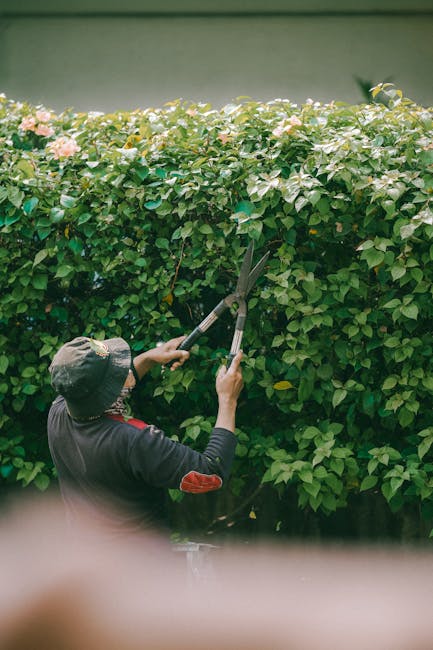
Camberwell Green garden maintenance costs what to know
If you are trying to make sense of Camberwell Green garden maintenance costs what to know, you are probably juggling a few questions at once: what should be included, what is a fair price, and how do you avoid paying for work you do not actually need? Fair enough. Garden upkeep sounds simple until you start comparing regular mowing, seasonal tidy-ups, hedge cutting, leaf clearance, and one-off overgrowth jobs. The numbers can move around quite a bit.
This guide breaks the topic down in plain English. We will look at the main cost drivers, the difference between regular and one-off maintenance, the kind of tasks that usually change a quote, and how to judge value rather than just the cheapest price. You will also find a practical checklist, a comparison table, and a few realistic examples from the sort of everyday gardens you see around Camberwell Green. Not glamorous, but useful.
For a broader overview of available work, you may also find the services overview helpful, especially if you are comparing maintenance with other garden jobs such as lawn mowing, hedge trimming, or a more involved garden clearance.
Table of contents
- Why Camberwell Green garden maintenance costs what to know matters
- How Camberwell Green garden maintenance costs what to know works
- Key benefits and practical advantages
- Who this is for and when it makes sense
- Step-by-step guidance
- Expert tips for better results
- Common mistakes to avoid
- Tools, resources and recommendations
- Law, compliance, standards, or best practice
- Options, methods, or comparison table
- Case study or real-world example
- Practical checklist
- Conclusion
- Frequently asked questions
Why Camberwell Green garden maintenance costs what to know matters
Garden maintenance pricing is one of those topics that looks straightforward on the surface and then gets messy very quickly. Two gardens that seem similar from the pavement can take very different amounts of time once you get inside the gate. One might just need a tidy mow and a light prune. The other may have an awkward rear access, thick borders, a hedge that has had one growth spurt too many, and a lawn that has not been touched since the clocks changed.
In a built-up London area, practical details matter. Access, waste removal, parking, the size and condition of the plot, and even how often the work is done can all influence the final cost. That is why understanding the price structure before you book is so important. It helps you compare quotes properly and stops you from assuming the cheapest option is the best value. Sometimes it is. Often, not quite.
It also matters because maintenance is not just about keeping things looking neat. Regular attention can reduce the likelihood of bigger jobs later. A hedge trimmed little and often is generally easier to manage than a hedge left to run wild. A lawn kept on a sensible schedule is usually cheaper to maintain than one needing a full recovery. Small jobs, done consistently, can save money over time. That is the quiet truth of it.
If you want to understand the wider service picture before focusing on price, the page on garden maintenance gives a useful sense of how ongoing care differs from one-off clean-ups. And if your garden has become more than "a bit untidy", it is worth comparing maintenance with a more heavy-duty garden clearance service.
How Camberwell Green garden maintenance costs what to know works
Most garden maintenance quotes are built from a combination of time, labour, equipment, access, and disposal. Some providers will offer a set hourly rate. Others prefer a fixed price after a site visit or photos. A few may use a blend of both. There is no single perfect method, but the quote should always make sense once you know what is included.
In practical terms, a maintenance visit might cover:
- lawn mowing and edging
- weed control and border tidying
- hedge trimming or shaping
- pruning shrubs and light plant care
- leaf clearance and debris removal
- green waste collection, where agreed
- minor seasonal tasks such as cutting back perennials
Costs rise when the job becomes slower, riskier, or more waste-heavy. For example, a front garden with open access and a neat lawn is usually much quicker to maintain than a rear garden behind the house with narrow side access and a lot of cuttings to bag up. That extra time is not some hidden trick; it is simply the reality of the work.
Seasonality also has a say. Spring and early summer can bring rapid growth, especially after a wet spell. Autumn tends to increase leaf clearance and general tidy-up time. Winter is sometimes quieter, but not always. A garden that was left alone for months can still need a major reset, even in colder weather. Nature does not care much about scheduling, annoyingly enough.
Another thing to know is that regular maintenance usually costs less per visit than one-off emergency work. Why? Because the garden is being kept in manageable condition. A recurring service may also help the gardener plan routes more efficiently, which can sometimes make pricing smoother. If you are budgeting carefully, this difference is worth paying attention to.
Key benefits and practical advantages
Understanding the cost structure is not just about saving a few pounds today. It helps you make better decisions across the whole year. That is especially useful if your garden is part of daily life rather than a decorative extra. A small patio, a family lawn, or a shared frontage all benefit from steady upkeep.
The main benefits are usually these:
- Better budgeting: you know whether you need a recurring plan or a one-off visit.
- Less waste: regular maintenance often prevents oversized jobs and bigger disposal costs.
- Improved appearance: the garden stays presentable, which matters for homes and rental properties alike.
- Healthier planting: light pruning and proper timing can support growth rather than damage it.
- Lower stress: you are not staring out of the kitchen window thinking, "Right. That needs sorting."
There is also a practical comfort factor. A tidy outdoor space is simply easier to use. Children can play more safely, bins are easier to move, and you are less likely to have slippery paths covered in cuttings or leaves after a rainy week. Small things, but they add up.
For customers who want to keep things tidy without drifting into a full landscaping project, maintenance is often the best middle ground. If the garden needs a bigger structural change, then a service like landscaping or landscape gardening may be more appropriate. The important point is to match the job to the outcome you actually want, not just to the cheapest line on a quote.
Who this is for and when it makes sense
Garden maintenance makes sense for a wide range of households and property types. You do not need a huge lawn or a showpiece border to benefit from it. In fact, some of the most price-sensitive jobs are modest urban gardens where keeping on top of growth is harder than it sounds.
This is especially relevant if you are:
- a homeowner who wants the garden to stay under control without weekend catch-up jobs
- a landlord or letting agent who needs the outdoor space kept presentable between tenancies
- an older resident who wants the work handled safely and reliably
- a busy family trying to avoid the "we'll sort it next month" trap
- a flat owner with a shared or small private garden that still needs regular care
It also makes sense if you have specific tasks that keep getting postponed. Hedge overgrowth is a classic one. So is a lawn that gets mown irregularly until it starts looking patchy and awkward. Once that cycle begins, costs can creep up because the work becomes more intensive.
Sometimes the trigger is seasonal. A spring tidy after winter debris. A pre-summer cutback before guests arrive. An autumn leaf sweep when the paths start to turn into a crunchy mess. Truth be told, many people only call in help once the garden is already giving them a slightly guilty look. Happens all the time.
If you are unsure whether you need simple maintenance or something more substantial, browse the services overview first. It can help you separate routine upkeep from jobs that lean toward clearance or redesign.
Step-by-step guidance
When you are trying to compare prices, a structured approach keeps things calm. No need to guess. No need to overthink every line item either. Here is a sensible way to handle it.
- List the tasks you actually need. Be specific. "Garden maintenance" is broad. Mowing, hedge trimming, weeding, and waste removal are not the same job.
- Work out frequency. Weekly, fortnightly, monthly, or just seasonal? Frequent visits usually reduce build-up.
- Check access and waste. Can cuttings be moved out easily? Is there parking nearby? Will green waste be taken away?
- Ask for a clear quote format. A fixed price can be helpful for simple jobs. Hourly pricing may suit unpredictable, overgrown work.
- Compare like with like. A cheaper quote that excludes waste removal may not be cheaper at all once the job is done.
- Agree the scope in writing. This avoids awkward "I thought that was included" moments later on.
There is a small but important habit here: take a couple of photos before booking if you can. Even a quick phone picture from the patio can help the provider understand the garden condition. It is not fancy, but it helps.
For recurring upkeep, think about building in a routine rather than reacting when things go wrong. A regular visit for lawn care through lawn mowing or a scheduled trim via hedge trimming often gives a more stable cost profile than waiting until the garden has got away from you.
Expert tips for better results
Good garden maintenance is part timing, part communication, and part realistic expectations. The best results usually come when the brief is clear and the garden is kept on a sensible cycle.
A few practical tips from experience:
- Keep the maintenance list lean. Only ask for the work you need right now. You can always add tasks later.
- Separate tidy-up work from improvement work. Fixing borders, reshaping beds, or changing layout is different from routine upkeep.
- Ask what waste is included. Green waste removal can materially change the price.
- Look at the garden after rain. Slippy paths, waterlogged patches, and heavy growth are often more obvious then.
- Schedule before peak growth. It is easier to stay ahead than to recover a jungle. Mild exaggeration, but only mild.
One overlooked point is plant sensitivity. Not every shrub wants the same treatment at the same time. A careful gardener will usually adjust the work around the season and the plant type rather than doing a blanket chop. That is one reason why the cheapest quote is not always the safest quote.
If your garden includes thick hedges or woody growth near fences, it can be sensible to discuss whether the work belongs under maintenance or whether it needs a more focused visit. In some cases, a little help from hedge trimming or even tree lopping and removal may be needed before regular maintenance can take over cleanly again.
Common mistakes to avoid
Most problems with garden maintenance pricing are not dramatic. They are usually the result of a fuzzy brief, hidden assumptions, or forgetting that gardens change with the seasons. Nothing exotic. Just the usual human stuff.
Watch out for these mistakes:
- Comparing quotes without checking scope. One price may include waste removal and another may not.
- Assuming "maintenance" means the same thing everywhere. It does not. Providers can define it differently.
- Ignoring access issues. Tight side paths, rear-only entry, and parking restrictions can affect labour time.
- Leaving the garden too long between visits. Growth becomes harder to control and more expensive to fix.
- Forgetting about seasonal jobs. Leaf fall, pruning windows, and spring growth can all alter the workload.
Another common mistake is treating all garden work as either "small" or "big". In reality, there is a middle zone where a garden needs regular care but not a full makeover. If you jump straight to a clearance quote when what you really need is ongoing upkeep, you may pay for more labour than necessary. On the other hand, if the space is already heavily overgrown, regular maintenance may be the wrong tool for the job. That balance matters.
A final one, and yes people do this: forgetting to ask about timing. A quote is useful, but only if the work is done when the garden actually needs it. Two weeks can make a difference in late spring. The place can change almost overnight.
Tools, resources and recommendations
You do not need a shed full of equipment to make good decisions about garden maintenance, but a few simple tools and habits can help you understand value more clearly.
Useful things to have to hand:
- photos of the garden from different angles
- a rough note of how often growth gets out of hand
- measurements for the lawn or the most prominent areas
- a short list of must-do tasks and nice-to-have extras
- details of access, gates, parking, and waste storage
For people who want to budget properly, the most useful resource is a transparent pricing conversation. A page like pricing and quotes is helpful because it encourages you to think about how the work is priced, not just what it costs. That is a healthier way to compare services, full stop.
There are also a few operational points worth thinking about. A provider that explains how they handle waste, safety, and payment tends to be easier to work with. You may want to read about payment and security and insurance and safety if those concerns matter to you, which they should. Nobody wants surprises on either front.
If sustainability is on your mind, especially when a lot of cuttings are involved, have a look at recycling and sustainability. Green waste handling and responsible disposal can be part of choosing the right service, not an afterthought.
Law, compliance, standards, or best practice
Garden maintenance is usually straightforward, but there are still sensible standards to follow. In the UK, good practice means working safely, disposing of waste properly, and avoiding damage to property, boundaries, nesting wildlife, or neighbouring spaces. The exact legal position can depend on the work, the property, and the time of year, so caution is sensible.
For example, cutting back vegetation near fences, walls, or shared boundaries should be done carefully, ideally with clear agreement where needed. Large tree work can be a different category entirely and may involve additional caution, permissions, or specialist handling. If a job looks more hazardous than routine, it is better to treat it that way rather than guess.
Best practice usually includes:
- using suitable tools for the task rather than forcing a one-tool-fits-all approach
- keeping walkways clear and reducing slip or trip risks
- wearing protective gear where appropriate
- disposing of green waste responsibly
- checking for hidden hazards before cutting or lifting anything heavy
Professional operators should also be able to explain how they manage safety on site and how they handle the practical side of the work. If you want a clearer sense of those expectations, the pages on health and safety policy and insurance and safety are worth a look. They are not exciting reading, granted, but they do matter.
One more quiet point: if you live near Camberwell Green itself, noise and access can be part of the planning conversation too. Early starts, shared entrances, and parking realities all shape how smoothly a job runs. Good providers work with that, not against it.
Options, methods, or comparison table
Different garden care options suit different situations. The right choice depends on how often the space needs attention, how much work is involved, and whether you are trying to maintain, reset, or improve the garden.
| Option | Best for | Typical pricing driver | Pros | Watch-outs |
|---|---|---|---|---|
| Regular maintenance | Homes that need ongoing care | Frequency and scope | Predictable, tidy, usually better value over time | Needs consistency to stay effective |
| One-off tidy-up | Gardens that have been left for a while | Labour time and waste removal | Good for a reset | Can be more expensive than expected if growth is heavy |
| Focused lawn or hedge care | Specific problem areas | Size and access | Targeted, efficient, easy to budget for | May not solve wider garden clutter |
| Clearance or restoration work | Severely overgrown or neglected spaces | Condition, disposal, equipment | Brings the space back under control | Usually less suitable for ongoing maintenance pricing |
As a rule of thumb, if the garden is broadly tidy but just needs regular attention, maintenance is usually the most cost-efficient route. If the space has become more like a project, then it may need a more intensive first visit before regular care makes sense again. That first step is often the expensive one. After that, things settle down.
Case study or real-world example
Here is a simple real-world style example. A small rear garden near Camberwell Green has a modest lawn, a narrow border, a few shrubs, and a hedge along the back fence. Nothing unusual. The owner has been managing it themselves, but work and travel got in the way, and the garden has slipped for a couple of months.
When they ask for help, the quote is not just based on lawn size. The gardener also factors in:
- the hedge height and thickness
- the amount of clippings to remove
- the time needed to tidy borders and edges
- awkward access through the side return
- whether the job is a reset or can become a recurring visit
The first visit takes longer because the garden needs a proper tidy. After that, the work becomes much easier. Once the garden is back under control, the owner switches to a regular maintenance plan with lighter visits. That is often how the costs settle in practice: a larger initial effort, then steadier and more predictable upkeep.
Another example: a rental property with a small front space and neglected weeds may not need much labour on paper, but if the landlord wants it turned around before a viewing, the quote may reflect the urgency and the need for a polished finish. Timing matters. A lot.
Practical checklist
Use this checklist before you request or compare a quote. It keeps the conversation tidy and helps prevent misunderstandings.
- Have I listed the exact tasks I need?
- Do I know whether this is regular maintenance or a one-off job?
- Have I noted access points, parking, and gate width?
- Do I need waste removal included?
- Are there hedges, shrubs, or trees that need special attention?
- Is the garden lightly untidy or genuinely overgrown?
- Do I want a fixed price, hourly pricing, or a recurring arrangement?
- Have I checked what is excluded as well as what is included?
- Have I looked at safety, payment, and sustainability information?
- Do I know when the work needs to be done?
Expert summary: The fairest garden maintenance quote is not always the lowest one. It is the one that clearly matches the real condition of the garden, includes the work you actually need, and avoids surprise extras later on.
That is the heart of it, really. If the scope is right, the price becomes much easier to judge.
Get a free quote today and see how much you can save.
Conclusion
Camberwell Green garden maintenance costs are best understood as a combination of task type, frequency, access, condition, and waste handling. Once you know those moving parts, the whole subject becomes much less confusing. You can compare quotes with confidence, choose the right level of care, and avoid paying for the wrong kind of work.
The most useful habit is to think in terms of garden condition over time. Little and often usually costs less than waiting until everything needs a rescue. Of course, sometimes you do need a rescue. Life happens. But if you can keep the space ticking over, the budget tends to behave itself too.
And if you are still unsure where your garden sits on that spectrum, start with a clear scope, a few photos, and an honest conversation. That alone solves more pricing problems than people realise. Nice and simple, which is refreshing for once.
Frequently Asked Questions
What is usually included in garden maintenance pricing?
It often includes routine tasks such as mowing, edging, weeding, light pruning, hedge trimming, and clearing debris. Waste removal may be included or charged separately, so always check the scope carefully.
Why do garden maintenance quotes vary so much?
Quotes vary because gardens are not uniform. Size, overgrowth, access, parking, waste disposal, and how often the work is needed all change the amount of time and labour involved.
Is regular maintenance cheaper than a one-off tidy-up?
Usually, yes. Regular maintenance tends to keep the garden in manageable condition, which means less labour per visit. A one-off tidy-up can be more expensive if the space has become overgrown.
How often should a garden in Camberwell Green be maintained?
That depends on the garden and the season. Some spaces need weekly or fortnightly visits in spring and summer, while smaller or slower-growing gardens may only need monthly or seasonal care.
Should I ask for a fixed price or hourly rate?
Both can work. A fixed price is useful when the scope is clear. An hourly rate may suit uncertain or heavily neglected gardens. The key is clarity about what is included.
Does waste removal affect the cost?
Yes, it often does. Removing green waste takes extra time and may involve disposal costs, especially after hedge cutting or a bigger tidy-up. Always ask whether it is included.
What if my garden is very overgrown?
You may need a clearance-style visit before regular maintenance can begin. In that case, a service such as garden clearance may be more suitable for the first job, followed by ongoing upkeep later.
Can maintenance include hedge trimming and lawn mowing?
Absolutely. Those are two of the most common maintenance tasks. Just make sure the quote states whether they are included as part of the visit or priced separately.
How do I know if I'm being overcharged?
Compare the scope, not just the price. If one quote includes hedge cutting, mowing, waste removal, and edging, while another only covers mowing, the cheaper quote may actually offer less value.
Are there safety or insurance points I should ask about?
Yes. It is sensible to ask how work is managed safely and whether the provider has suitable insurance. That is especially important for larger trees, heavy cutting, or gardens with awkward access.
What should I prepare before asking for a quote?
Have a few photos, a short list of tasks, details of access and parking, and an idea of whether you want one-off work or ongoing maintenance. A clear brief usually leads to a clearer price.
When is the best time to book garden maintenance?
Earlier than you think, especially in spring and early summer when growth speeds up. Autumn is another busy period because leaves and debris can build quickly. Booking before things get messy usually helps.