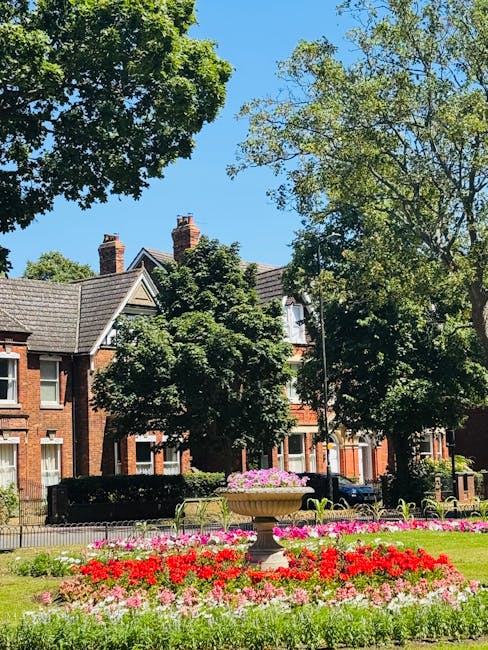
Camberwell commercial gardeners for shops cafes and offices
If your storefront looks a little tired by Thursday, your cafe planters are drooping by lunchtime, or the office entrance needs a proper tidy before clients arrive, you are not alone. In busy parts of London, outdoor spaces work hard. Camberwell commercial gardeners for shops cafes and offices help keep those spaces looking sharp, safe, and welcoming without turning plant care into yet another thing on your team's list.
Good commercial gardening is not just about "making it pretty". It is about first impressions, seasonal reliability, tidy access routes, and outdoor areas that quietly support the business inside. A neat frontage can make a shop feel open. A well-kept courtyard can make a cafe feel calmer. An office garden, even a small one, can soften the whole building. And yes, people notice. More than you might think.
In this guide, we will look at how commercial gardening works in practice, what shops, cafes, and offices should expect, where the common problems are, and how to choose a service that actually fits the day-to-day reality of running a business. No fluff. Just the useful stuff.
Why Camberwell commercial gardeners for shops cafes and offices Matters
Outdoor areas are part of your customer experience, whether you treat them that way or not. A shop frontage with weeds at the base of the railings gives a very different message from one with clipped hedging, clean edging, and healthy planting. The same goes for a cafe terrace where leaves sit in corners, paving gets slippery, or pots look half-forgotten. Little things, but they add up fast.
Camberwell has a mix of high footfall streets, residential pockets, hospitality spots, and office premises that all need a practical approach. A commercial gardener has to think beyond plant health. They have to think about access, safety, timing, visibility, and how the site functions when customers, staff, deliveries, or cleaners are moving through it. That is the real job.
There is also the simple truth that businesses rarely have spare time for outdoor upkeep. The person who would normally notice the moss on the path or the hedge growing into the sign is usually too busy opening the shop, serving tables, or getting through inbox zero before lunch. A reliable gardening schedule helps stop the "we'll do it next week" problem turning into a costly tidy-up later on.
To be fair, some sites only need light maintenance. Others need a full reset after a long gap. Either way, commercial gardening is about consistency, not heroics. It is much easier to keep a site looking good than to rescue one that has been left to slide.
Expert summary: For customer-facing businesses, outdoor maintenance is part branding, part safety, and part operations. The best results come from regular, site-specific care rather than one-off tidy-ups.
How Camberwell commercial gardeners for shops cafes and offices Works
In practice, commercial gardening starts with understanding how the site is used. A shop entrance may need low-maintenance planting and very regular sweeping. A cafe garden may need seasonal planting, deadheading, and litter removal. An office courtyard might need lawn care, shrub pruning, and a schedule that avoids disrupting staff or visitors. Same trade, different priorities.
The process usually begins with a walkaround. You look at visibility lines, trip hazards, overgrowth, drainage issues, and whether the current layout actually works. Then the gardener can suggest a maintenance plan that fits the season and the site. That might include routine visits, occasional clearance work, hedge trimming, or more involved landscaping if the area needs a proper refresh.
If the space is overgrown or neglected, the first visit often focuses on restoration. That can mean cutting back plant growth, removing waste, dealing with dead material, and getting surfaces back into usable condition. For larger clear-outs, garden clearance can be the quickest way to reset the site before ongoing maintenance begins.
Once the space is under control, the focus shifts to routine tasks. Depending on the property, that may include:
- lawn mowing and edging
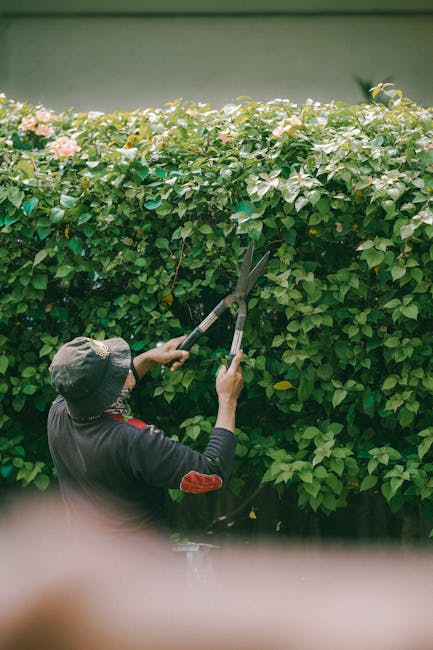
- hedge trimming and light shaping
- pruning shrubs and removing dead growth
- leaf clearing and seasonal tidy-ups
- weed control in beds, borders, and paving joints
- watering checks for planters and newly planted areas
- regular waste removal and site presentation
There is a lot of quiet judgement involved. A decent commercial gardener notices what is growing too fast, what is struggling, what looks uneven, and what could become a problem next month. That is the difference between maintenance and cleanup.
If your site needs a broader refresh, it can also help to look at the full service overview so you can see how maintenance, landscaping, and related work fit together. Sometimes the right fix is not more mowing; it is better layout, better planting, or simpler materials.
Key Benefits and Practical Advantages
The obvious benefit is appearance, but that is only the beginning. A well-maintained commercial garden can influence how customers feel before they even step inside. A clean front garden or terrace suggests care, attention, and professionalism. That matters for cafes, shops, and offices alike.
Here are the practical gains businesses usually notice first:
- Better first impressions: tidy planting, clipped edges, and clear paths make premises feel more inviting.
- Improved safety: regular maintenance reduces slippery surfaces, hidden obstacles, and overgrown access points.
- Less staff distraction: your team stays focused on core work rather than weekend gardening that never quite happens.
- Healthier plants and better value: regular care usually prevents expensive plant loss and untidy overgrowth.
- Seasonal consistency: the site still looks presentable when weather, leaves, and growth patterns change.
- Better use of space: especially for cafes and offices where outdoor seating or breakout areas need to feel usable, not awkward.
There is also a subtle commercial benefit. People tend to trust premises that look looked after. A shop frontage that is clean and intentional feels more open for business. A cafe courtyard that is calm and green can make people stay a little longer. An office entrance with simple, neat planting can make client visits feel smoother. Not magic. Just good presentation doing its job.
If you are comparing ongoing care with one-off tidy-ups, regular garden maintenance is usually the more stable option for trading sites. It keeps issues small before they become visible, and that is where the value tends to show.
Who This Is For and When It Makes Sense
This service is a good fit for any business with outdoor space that customers, staff, or visitors can see. That includes independent shops, small cafe patios, office forecourts, medical reception gardens, mixed-use buildings, and hospitality spaces with planting beds or paved terraces.
It makes particular sense if:
- the frontage is visible from the street and needs to stay neat all year
- you have planting that needs regular watering, pruning, or deadheading
- you are dealing with seasonal leaf fall, weeds, or moss
- staff are currently "doing a bit when they can", which usually means not enough
- you need work timed around opening hours or deliveries
- you want to improve the look of the site without adding major maintenance headaches
For cafes, the pressure is often on atmosphere. Guests will notice messy containers, tired-looking plants, and a terrace that feels neglected. For shops, visibility and safety matter most. For offices, the priority may be a clean, calm entrance that reflects the business inside. Same broad service, slightly different brief each time.
And if the outside area has become a bit of a catch-all for clutter, overgrowth, or old materials, it may be worth pairing regular upkeep with clearance work first. Otherwise, maintenance starts on the back foot.
Step-by-Step Guidance
Here is a sensible way to approach commercial garden care without overcomplicating it.
- Assess the site honestly. Walk the whole area. Look at entrances, side passages, planting beds, fences, paths, and any spots customers can see.
- Identify the main pressure points. Is it weeds, hedges, lawn edges, leaves, watering, or general untidiness? You do not need to solve everything at once.
- Decide what level of service you need. Some sites need weekly or fortnightly care. Others only need seasonal visits and occasional tidy-ups.
- Set priorities around trading hours. A cafe may need quiet early-morning work. An office may prefer work before staff arrive. A shop may need the front kept clear during opening hours.
- Choose the right maintenance mix. This can include mowing, hedge trimming, pruning, bed care, waste removal, and plant replacement.
- Ask about safety and access. Make sure equipment, waste handling, and working areas will not interfere with customers or staff.
- Review the site after the first few visits. Good maintenance plans are adjusted. If a border needs simpler planting or a hedge is becoming too expensive to keep, say so early.
Simple process. No drama.
If you are planning a larger upgrade rather than routine care, it may be worth speaking about landscape gardening or landscaping as part of the conversation. Small design changes can reduce future maintenance and make the site easier to manage.
Expert Tips for Better Results
A lot of commercial garden problems come from making the site too complicated. In our experience, the best-looking business exteriors are often the simplest ones to maintain. A few strong plants, neat edges, and reliable clearing of debris will usually beat a fussy design that nobody has time to look after.
Use low-fuss planting where possible
Choose plants that suit the actual conditions, not the ideal ones you wish you had. Shade, traffic, wind, and winter exposure all matter. A shaded cafe corner in Camberwell will not behave like a sunny courtyard in July, and pretending otherwise is a quick route to disappointment.
Keep access routes clean and visible
Customers should not have to navigate around pruning waste, bags, or low-hanging branches. Paths, steps, and entrances need to stay obvious. If a visitor has to pause and wonder where to walk, the layout is already working against you.
Think in seasons, not emergencies
Spring growth, summer watering, autumn leaf drop, and winter debris each bring different pressures. Plan for them rather than reacting after the fact. A little seasonal rhythm goes a long way.
Trim with the business in mind
Hedges and shrubs should support the building, not hide signage or block sightlines. That sounds obvious, but it is one of the most common oversights. A hedge that grows beautifully and covers your shop name is not really helping, is it?
Build in regular waste removal
Organic waste can pile up surprisingly fast. Having a clear disposal plan keeps the site tidy and avoids that "something has been left there for days" look. If waste is becoming a recurring problem, recycling and sustainability guidance can be useful for deciding how green waste should be managed responsibly.
One more thing: ask for practical feedback, not just a quote. A good gardener should be able to tell you where the site is overworked, where the planting is struggling, and what can be simplified. That honest view is worth a lot.
Common Mistakes to Avoid
Let's face it, most garden problems do not arrive with a dramatic warning. They creep. A little weed growth here, a hedge that gets left too long there, and suddenly the whole entrance looks neglected. The mistakes below are the ones that tend to cause the most trouble for shops, cafes, and offices.
- Waiting until everything looks bad: by then the work is usually bigger, slower, and less pleasant.
- Using a one-size-fits-all plan: a cafe terrace and an office forecourt need different rhythms.
- Ignoring seasonal change: leaves, growth spurts, and dry spells all need different responses.
- Overplanting a small space: too many species or too much variety can make maintenance awkward.
- Forgetting about visibility: signage, windows, and entrances should never be hidden by growth.
- Leaving cleanup to the end of the job only: tidy execution is part of the service, not an optional extra.
- Choosing looks without thinking about upkeep: beautiful but high-maintenance planting can become a burden fast.
There is also a quieter mistake: assuming the cheapest option will save money. Sometimes it does. Sometimes it means more callouts, more rework, and a site that never quite settles. Cheap can be expensive later. Annoying, but true.
Tools, Resources and Recommendations
Commercial gardeners use a mix of equipment depending on the site. You do not need to buy any of it yourself, of course, but it helps to understand what is usually involved so you can judge whether a contractor is set up properly.
- Hand tools: for detailed pruning, edging, and small planting tasks.
- Mowers and strimmers: useful for lawns, edges, and rougher grass areas.
- Hedge trimmers: important where hedges need regular shaping and control.
- Leaf blowers and sweepers: helpful for tidying entrances, terraces, and paved areas.
- Waste bags and transport: needed for clean removal of clippings and green waste.
- Seasonal plant care items: watering tools, feed, and replacement plants where appropriate.
For businesses that want a broader service, it can also help to combine gardening with light outdoor improvements. For example, lawn mowing is ideal for keeping grass presentable, while hedge trimming keeps boundaries sharp and sightlines clear. If the space has timber features, decking services may also be relevant for cafes or offices using outdoor seating areas.
And if trees are creating shade, dropping debris, or becoming too close to buildings, tree lopping and removal may be part of the wider plan, though any work like that should be assessed carefully and handled sensibly.
Law, Compliance, Standards and Best Practice
For commercial premises, outdoor maintenance is not just about appearance. It also touches safety, access, and basic duty of care. You do not need to turn it into a legal seminar, but you do need to think sensibly about who can walk where, what could cause a slip or trip, and whether work is being carried out in a way that protects staff and visitors.
Good practice usually includes:
- keeping entrances and walkways free of debris
- reducing trip hazards from uneven growth, roots, or waste
- planning work so it does not disrupt customers unnecessarily
- using appropriate control measures around tools and machinery
- making sure public-facing areas stay reasonably tidy during and after visits
- being clear about insurance, responsibility, and site access arrangements
In the UK, businesses are generally expected to manage their premises responsibly. That does not mean every site needs a formal engineering-style plan, but it does mean outdoor areas should be maintained with safety in mind. For most premises, the sensible standard is straightforward: don't let the garden become a hazard, and don't let routine work create one either.
It is also worth asking about contractor insurance and how safety is handled on site. You can review details such as insurance and safety arrangements and the company's health and safety policy if you want more reassurance before booking.
For businesses that care about responsible disposal and greener working methods, sustainability matters too. Composting green waste where suitable, reducing unnecessary waste, and choosing plantings that are less resource-hungry are all sensible steps. Nothing flashy. Just decent practice.
Options and Comparison Table
Different business sites need different approaches. Here is a simple comparison to help you decide what fits best.
| Approach | Best for | Strengths | Possible drawback |
|---|---|---|---|
| Weekly or fortnightly maintenance | Busy shops and cafes with visible outdoor areas | Keeps the site consistently neat, reduces surprises | Higher ongoing cost than occasional visits |
| Seasonal maintenance | Offices or quieter premises with modest planting | Lower frequency, easier to budget for | Less control between visits |
| One-off clearance and reset | Neglected sites or change-of-tenant situations | Fast improvement, useful restart point | Needs follow-up to stay that way |
| Full landscaping plus maintenance | Sites needing both visual upgrade and long-term structure | Can simplify future upkeep and improve presentation | More planning required up front |
For many businesses, the best route is a mix: a clean-up first, then regular maintenance, with occasional improvement work when needed. If the site is already functional but just looks worn out, that middle option can be the sweet spot. Not too much. Not too little.
Case Study or Real-World Example
Imagine a small cafe with a narrow front terrace, two planter boxes, and a side passage that tends to collect leaves. In summer, the planting grows fast. In autumn, the terrace starts to look cluttered. Staff are already busy, so the outdoor area gets checked only when someone remembers.
The first step is a tidy reset: clear the debris, remove dead growth, straighten the planting, and make the walkways obvious again. Then the site moves to a simple routine. Pots are checked on the same day each week, the terrace is swept before opening, the planter edges are trimmed as needed, and anything that blocks the entrance is dealt with early. Nothing fancy. Just routine.
Within a couple of visits, the cafe feels calmer to approach. Customers can see the entrance from the pavement. Staff spend less time improvising. The space becomes part of the business again instead of a little source of stress. That is what good commercial gardening does best: it removes friction.
In another setting, an office may only need a neat forecourt, a trimmed hedge, and a lawn kept short enough to look cared for. The work is lighter, but the effect is still real. A tidy approach to the outside often makes the inside feel more organised too. Funny how that works.
Practical Checklist
Use this checklist before you book or review a commercial garden service.
- Is the site's main goal appearance, safety, or both?
- Do customers, clients, or staff regularly use the outdoor area?
- Are there visible problem areas such as weeds, dead plants, or overgrown hedges?
- Do you need work outside trading hours?
- Is waste removal included or clearly planned?
- Are access routes, entrances, and signage protected during work?
- Does the plan match the real upkeep burden of the site?
- Are there any trees, decking, lawns, or larger features that need specialist attention?
- Have you asked about insurance, safety, and how issues are handled if they arise?
- Do you know whether the site needs regular maintenance, a reset, or a design improvement first?
One quick tip: if you are unsure where to begin, start with the most visible area. That is usually where the biggest return shows up first. Frontage first. Everything else after.
If you want to understand the business more broadly before making a decision, the about us page can also be helpful for seeing the company's approach and values in context. And if you are ready to talk through your site, the contact page is the natural next step.
Conclusion
Camberwell commercial gardeners for shops cafes and offices play a quiet but important role. They help businesses look open, orderly, and cared for, while also reducing safety risks and the constant drag of outdoor upkeep. For customer-facing premises, that is not cosmetic trivia. It is part of the experience.
The best results usually come from a simple, realistic plan: tidy the site properly, keep the main pressure points under control, and match the level of care to how the space is actually used. If that sounds straightforward, good. It should be. The outdoor area does not need to be complicated to work well. It just needs attention at the right time.
Get a free quote today and see how much you can save.
And if you are still weighing things up, that is fine too. Sometimes the smartest move is simply getting the right eyes on the space and taking it from there. A tidy, well-kept exterior has a quiet way of making everything else feel easier.
Frequently Asked Questions
What do Camberwell commercial gardeners for shops cafes and offices actually do?
They handle the outdoor upkeep that helps business premises stay tidy, safe, and presentable. That can include mowing, hedge trimming, pruning, clearing leaves, dealing with weeds, maintaining planters, and keeping entrances clean and usable.
How often should a shop, cafe, or office book commercial garden maintenance?
It depends on the site. Busy frontages often need weekly or fortnightly attention, while quieter office spaces may only need seasonal visits. The right schedule depends on how visible the area is and how fast it changes.
Is commercial garden maintenance different from domestic gardening?
Yes. Commercial work usually has to account for business hours, customer access, safety, presentation standards, and waste handling. The work itself may look similar, but the way it is planned and delivered is different.
What if the site is badly overgrown?
In that case, a one-off clearance is usually the best starting point before regular maintenance begins. It is much easier to maintain a controlled space than to try to tidy up gradual neglect week after week.
Can commercial gardeners work around opening hours?
Usually, yes. Many businesses prefer early morning, quieter midweek slots, or times when footfall is lower. It is worth discussing access and timing at the outset so there are no awkward surprises.
What should cafes look for in a gardening service?
Cafes often need help with presentation, leaf clearing, tidy planting, and making outdoor seating feel welcoming. The best service is one that understands atmosphere as well as maintenance.
Do offices need commercial gardening if they only have a small outdoor area?
Even small spaces can affect how a building is perceived. A neat entrance, tidy planting, and a clear pathway can make an office feel more professional and easier to approach.
Should I choose landscaping or ongoing maintenance first?
If the area is already functional but messy, maintenance may be enough. If the layout itself causes problems, landscaping or landscape gardening may be a better first step because it can reduce future upkeep.
How can I keep costs under control?
Focus on simple, practical planting and a realistic maintenance schedule. Overly complex designs and neglected areas are the main reasons costs creep up. A straightforward plan is often the most economical.
Do commercial gardeners remove waste after the job?
They usually should, yes, or at least agree clearly how waste will be handled. Clean removal of clippings and debris is part of a professional finish, especially on customer-facing sites.
What safety points should I ask about before booking?
Ask how access will be managed, how public areas are protected, whether the contractor has suitable insurance, and how tools or equipment will be used around customers and staff. A proper answer should feel clear and practical.
How do I know if my business needs a one-off tidy-up or ongoing care?
If the space keeps getting messy again soon after it is cleaned, ongoing care is probably the better choice. If it only needs a reset after a period of neglect or seasonal build-up, a one-off job may be enough. Sometimes it is both: reset first, then maintain.